

























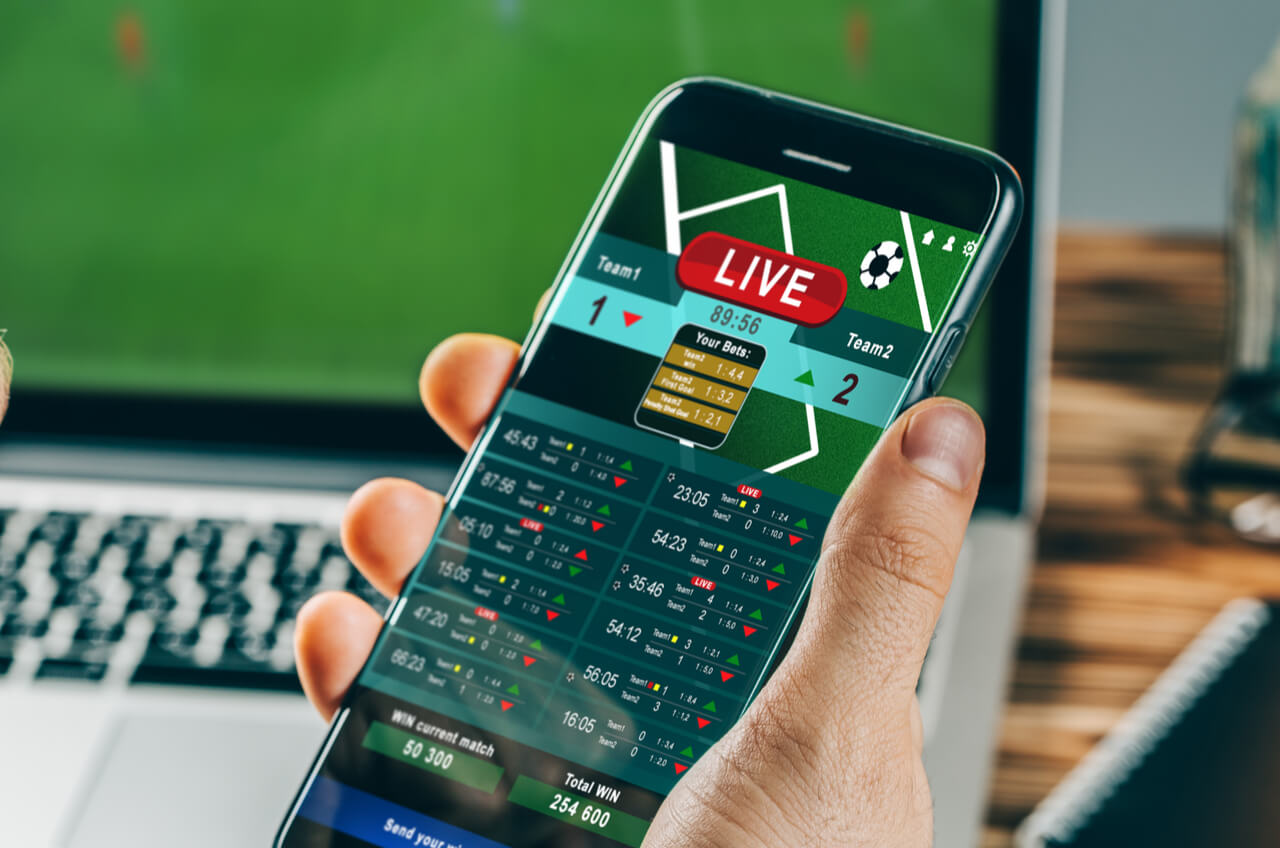
A live odds board can look like a wall of numbers, but its job is simple: show what each licensed operator is offering on the same event at the same moment. The useful version puts moneyline, spread and total prices side by side, adds a market consensus, and highlights the best available price on each side. That layout turns a routine bet into a shopping decision, because the difference between one operator and another is often small enough to miss but large enough to matter over time.
Why Live Prices Rarely Match
Even when operators are watching the same game, they do not post identical prices. Each one manages its own risk, reacts to its own customers, and updates at its own speed. One may move quickly after a score, while another waits for more action. One may shade a favorite, while another offers a better number on the underdog. During live play, those gaps can widen because the clock, possession, injuries and momentum are changing the probabilities in real time. A comparison board cannot make a bad bet good, but it can show whether you are getting the market rate, a slightly better price, or a clearly weaker one.
Read the Three Main Markets Together
Moneyline tells you the price for a team to win outright. The favorite usually carries a minus price, while the underdog carries a plus price, and the gap between operators can be narrow but meaningful. The spread adds a handicap, so the price and the line itself both need checking. A total asks whether combined scoring will finish over or under a number, and this is where small differences become obvious: one operator may use a different total number, while another uses the same number with different juice on each side. Comparing all three markets together gives a fuller picture than looking at a single headline price. A good moneyline does not automatically mean a good spread, and a tempting total may come with a weaker over or under price.
Use Consensus as a Reality Check
A consensus column is not a prediction. It is a benchmark showing what the wider market thinks the price should be. When your operator sits close to consensus, you are probably looking at a normal market. When it sits clearly away, you need to ask why. Is the operator slow to update? Is it protecting itself against a lopsided client book? Or is it simply offering a better deal on that side? The best-price highlight is helpful for the same reason. It points to the top number available across the operators being tracked, but it should be treated as a starting point, not a guarantee. Check the rules, the limits and whether the price is still there before you commit.
Shop Both Sides and Watch the Half-Points
Most bettors focus on the side they want to back, but smart comparison means looking at both sides of the market. A strong price on the favorite can coexist with a strong price on the underdog if you know where to look. Totals deserve the same treatment. A half-point change in the total can turn a push into a win or a loss, and a different spread line can change the entire calculation. The same principle applies to juice: a small difference in the price you pay may seem trivial on one bet, but it adds up across a season. Compare the line, the price and the rule for each market rather than treating all operators as interchangeable.
Timing, Limits and Trust Matter
Live odds move because the event moves. A price can be available one moment and gone the next, especially after a big play. That makes speed useful, but it also makes discipline essential. Set a clear plan before the game, know your maximum stake, and avoid chasing a number simply because it flashed on the screen. Also check the practical side of the account: withdrawal terms, live betting limits, cash-out rules, support quality and whether the operator is properly licensed in your area. A comparison board shows prices, but it cannot show everything about the experience. The operator with the best number is not automatically the best place for you if its limits are too low or its rules are unclear.
Live sports betting odds reward preparation more than impulse. Use a side-by-side view to understand the market, check consensus and best-price highlights, compare both sides and the half-points, then confirm that the operator fits your needs. The goal is not to find a magic number. It is to make each bet at a fair or better price, with clear rules and a realistic plan.

Great article. The bonus terms are explained very clearly.
27 LikeI have used these tips for two months and my results are much better now.
21 LikeFinally a review that explains everything clearly. Very helpful.
41 LikeI withdrew twice this month and the money arrived very fast. Very happy.
39 LikeExcellent article. The comparison table saved me a lot of time.
44 LikeI read this twice. Everything I needed was here.
16 Like